The people closest to the work often see what could be better. They notice problems, imagine possibilities, and develop ideas that could improve their team or organization. But they may not yet have the position, purse strings, or authority to make those changes. The Intrapreneurship Journey was created for them.
Many programs teach people to generate ideas. Far fewer teach them how to move those ideas through an organization.
Across schools, universities, entrepreneurship programs, and leadership initiatives, we invest in helping students imagine ideas that can contribute positively to the world. But once they graduate and enter the workplace, many of those expressions do not fully blossom.
The problem is not that they lack ideas, ambition, intelligence, or care. The problem is that they have not learned how to work within an existing system, or how to influence the people responsible for it.
An organization is not a blank page. It has a history, priorities, performance metrics, reinforcement systems, established processes, and people who have been working hard long before a new idea arrives. Any suggestion for change can unintentionally say that what people are doing now is no longer good enough.
That is why good ideas are often met with hesitation, resistance, or rejection.
The Intrapreneurship Journey teaches the missing part: how to understand and appreciate the system before trying to change it. Grounded in Gaining Perspective, it guides people through five connected dimensions: Align, Analyze, Build, Enroll, and Implement. Participants learn to:
Understand what matters most
Uncover the real problem
Collaborate with those closest to the work
Build a complete recommendation
Earn the confidence of those in power
Implement change through shared ownership
An idea is only the beginning. The real work is learning how to move it through a system.
Built by Brent Martini and Mentor Dida, the Journey brings together the perspective of those in power and the perspective of those working to influence them.
It gives ambitious professionals a practical methodology for understanding their organizations, strengthening their ideas, earning the trust of decision-makers, and turning those ideas into action. Brent and Mentor came to it from two different sides of the table.
Brent Martini and Mentor Dida: two perspectives behind The Intrapreneurship Journey.
The perspective of top down
Brent Martini
Brent knows what it feels like to sit in a position of power and decide which ideas receive attention, resources, and sponsorship. He understands the pressures leaders carry and the trust they need before approving a new direction.
Mentor knows what it feels like to create change before having the authority to simply make it happen. He helps people recognize their agency, navigate systems, and influence without relying on a title.
Long before Brent Martini became a Fortune 50 executive, he was a student of leadership.
At Fordham University, Professor James A.F. Stoner became one of his most influential mentors. Stoner shaped his understanding that leadership is not about authority or performance, but about understanding people, building responsible organizations, and helping those around you succeed. Brent later helped endow Fordham's James A.F. Stoner Chair in Global Quality Leadership in his honor.
From ambitious professional to Fortune 50 executive
Brent joined Bergen Brunswig in 1987 and rose to become Executive Vice President of the corporation and President of Bergen Brunswig Drug Company, its largest operating business. He served on the corporation's board of directors. Bergen Brunswig later merged with AmeriSource to form AmerisourceBergen, now known as Cencora.
From that position he saw what many ambitious professionals cannot yet see. Leaders are not simply asking whether an idea sounds good. They are weighing priorities, performance, cost, investment, risk, timing, reputation, competing demands, and whether the people presenting an idea can carry it through.
He learned why some ideas are supported, why others are rejected, and what leaders need to see and hear before they are comfortable saying YES. The Intrapreneurship Journey is his way of sharing those lessons sooner, so emerging leaders do not wait decades to learn what it takes to influence those in power.
A commitment to the next generation
Brent's promise to give back did not stop when his corporate leadership run ended.
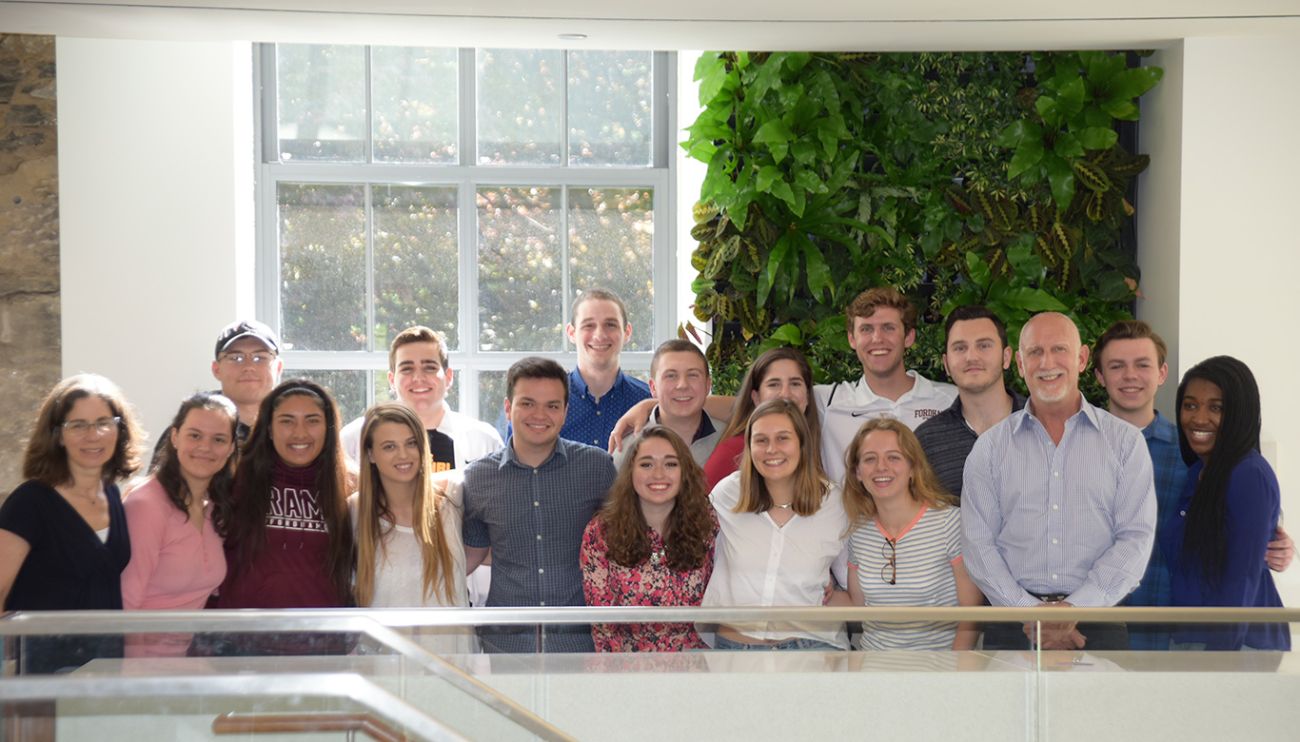
As Executive in Residence at Fordham's Gabelli School of Business, Brent worked directly with students developing new ideas and ventures. He made a $1 million gift to expand Fordham's Social Innovation Collaboratory and founded the Martini Education & Opportunity Trust for young professionals committed to building more responsible and sustainable businesses.
Through his philanthropy, mentorship, and partnerships with institutions including Fordham, Tulane, Ashoka U, and the Watson Institute, he continues to invest in the next generation, particularly by helping ambitious people avoid the moment he remembers from his own career:
If I had only known this earlier.Brent Martini
Beyond the boardroom
Brent is also a lifelong automotive enthusiast, former race-car driver, vintage-car collector, and founder of Martini Vintage, which restores and preserves historic automobiles. His love of vintage cars reflects what he believes about leadership: understand the history, respect the system, preserve what works, improve what can run better.
Today he is turning more than four decades of leadership, entrepreneurship, philanthropy, successes, mistakes, and hard-earned lessons into a practical pathway for people who want their ideas to matter.
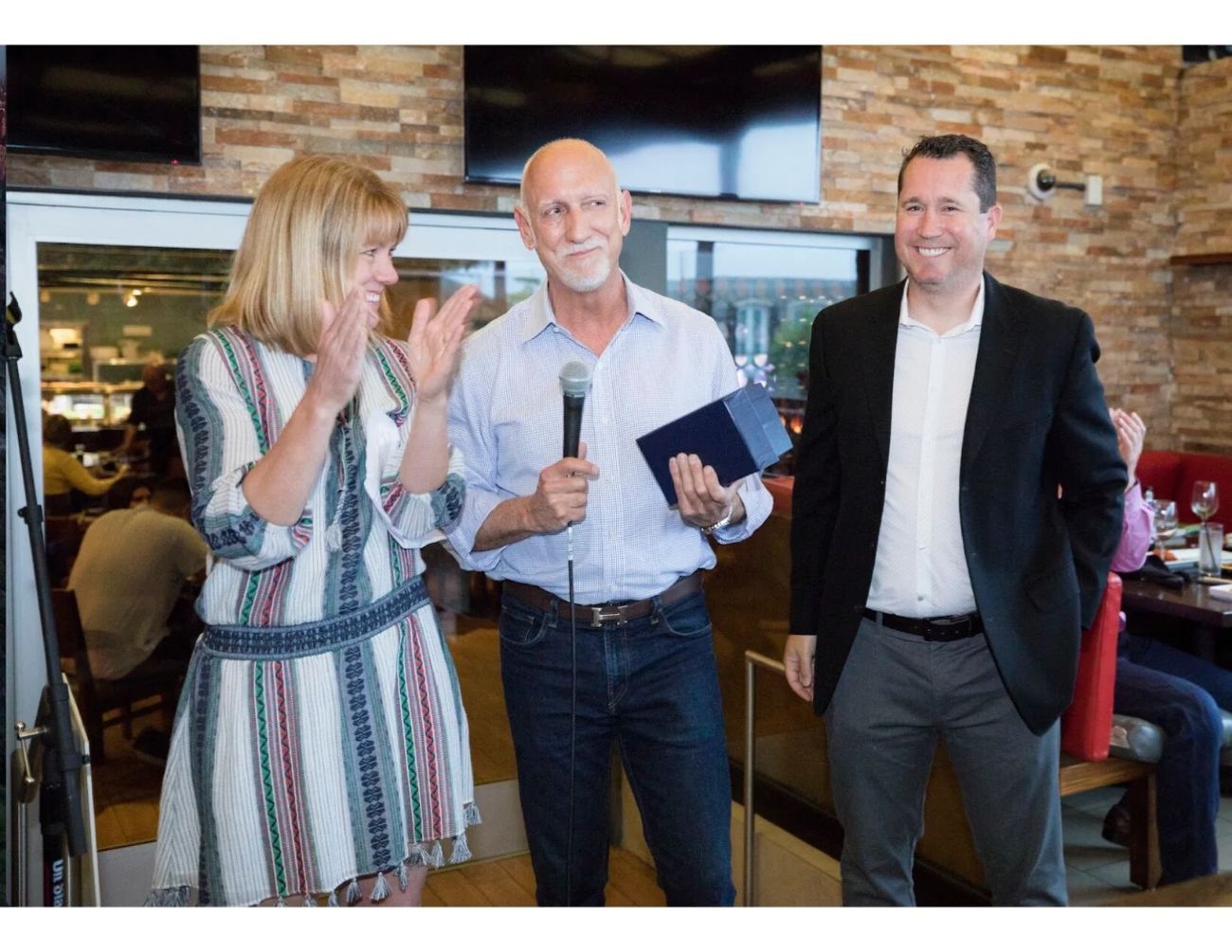
Speaking at a recognition eventStudents at Fordham's Social Innovation CollaboratoryMartini Vintage, where history is the point
The perspective of the intrapreneur, educator, and learning designer
Mentor Dida grew up in Kosovo and experienced war and displacement as a child.
At nine years old, he and his family were forced from their home and became refugees. Years later he came to the United States as a high-school exchange student, beginning a journey that shaped his understanding of leadership, service, and the power people have to create change, even before they hold formal authority.
Learning to lead before having the title
At Arizona State University, Mentor excelled as a student and as a builder of communities and initiatives. He co-founded three nonprofit organizations, helped establish several student-led organizations, and led the Two Dollar Challenge movement at ASU, inviting students to understand poverty not as an idea but as a lived human reality.
He earned degrees in alternative energy engineering and a masters in global technology and entrepreneurship, was recognized as ASU's Outstanding Graduate Student of the Year and Outstanding Graduate Student Leader, and was selected to deliver the address at his graduate convocation.
Helping people actualize their potential
After college, Mentor joined Ashoka, one of the world's leading organizations in social entrepreneurship. There he developed and facilitated programs for young people, adults, educators, social entrepreneurs, and organizations working to actualize their potential to create change. He built learning experiences and international communities that moved people from caring about a problem to taking action.
His years at Ashoka reinforced an important realization: people can be taught to imagine new possibilities, but that does not mean they know how to move those ideas through an organization. They still need to understand priorities, power, systems, relationships, risk, and how decisions are made. That insight became a foundation for the Journey.
Turning leadership ideas into transformative experiences
In 2020, Mentor founded his own consultancy, Changemaker Allies, where he has worked as a leadership-development expert, educator, facilitator, and organizational futurist. His work has included designing and facilitating experiences connected with organizations including the United Nations, USAID, Meta, T-Mobile, Stanford University, Yale University, the World Bank, Vodafone, Boehringer Ingelheim, and Arizona State University.
He has served as Global Futurist in Residence at ASU's College of Global Futures, helping students connect their desire to improve the world with meaningful educational and professional pathways. He has also taught Being the Change, an ASU course on identity, purpose, and action, and hosts the Facilitating Change podcast.
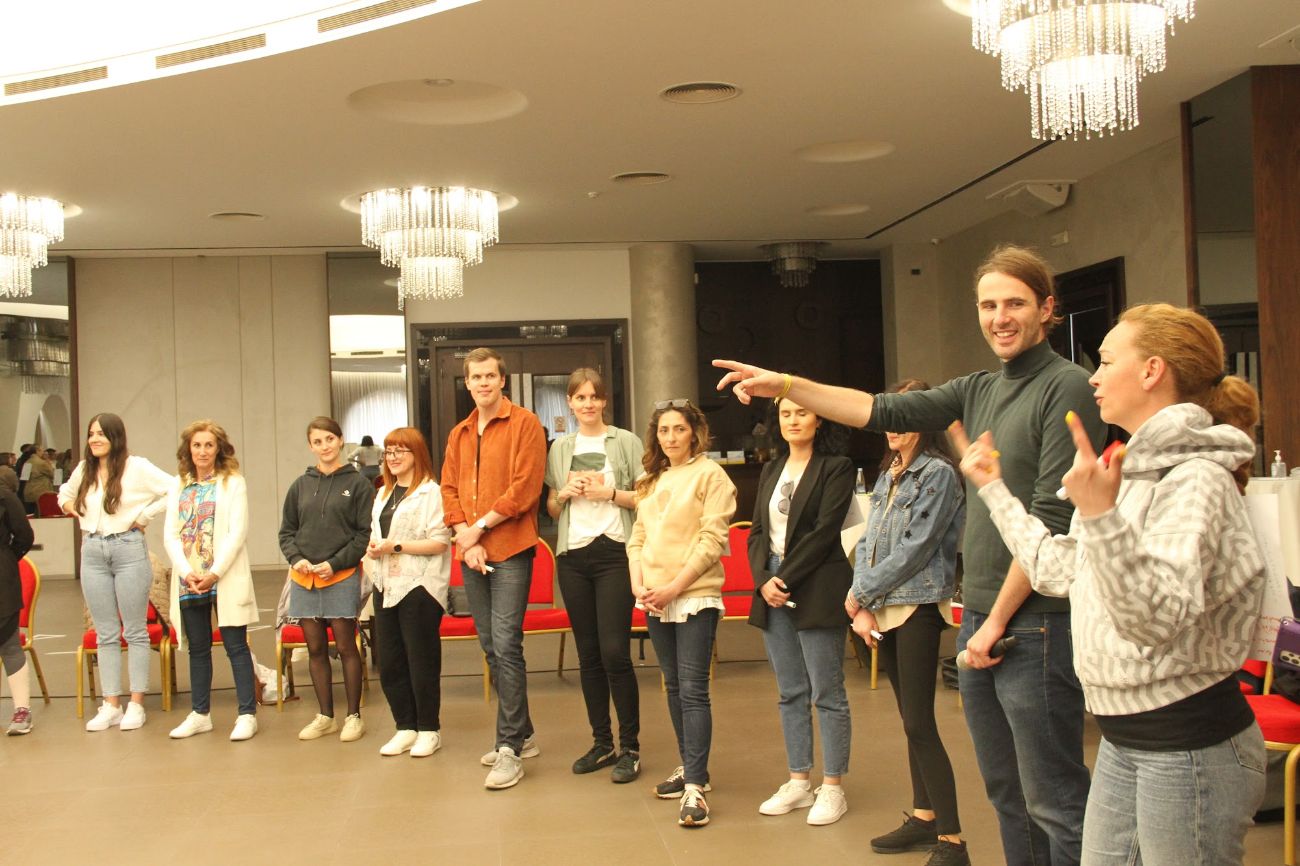
He brings the Journey to life through powerful learning experiences, turning leadership wisdom into scenarios, case studies, reflection, dialogue, and practice. Participants do more than understand the framework intellectually. They experience what it means to gain perspective, listen brilliantly, and take responsibility for moving an idea forward.
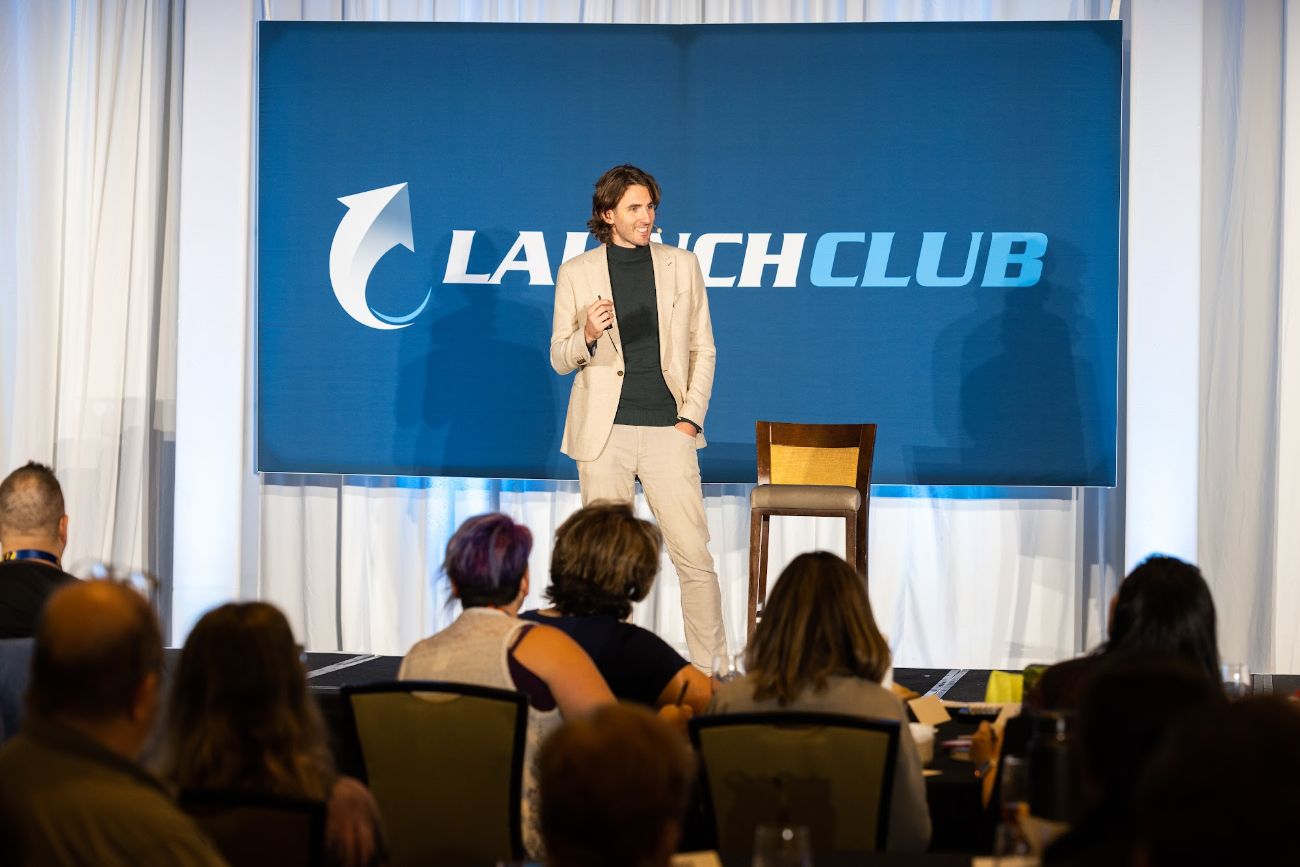
On stage, Launch ClubFacilitating, not lecturingCommunity work in the field
Brent understands how leaders evaluate new ideas: strategic fit, risk, return, people, and execution. Mentor turns that perspective into practical learning experiences people can use inside real organizations.
Together, we created the Intrapreneurship Journey to help good ideas survive the realities of organizational life, and help the people behind them become stronger leaders.
Whether you are trying to move an idea forward yourself or building an organization where more people can contribute, we are excited to work with you.
You cannot influence what you do not understand.The core principle of the Journey
Develop the people who will move your organization forward.